How It Works
Traditional community development operates in silos. Workforce programs train people for jobs that may not exist locally, then hope employers hire them. Housing developers import skilled labor because the local workforce capacity doesn’t exist. Environmental remediation happens through outside consultants who leave after the cleanup is complete. Communities receive services but never develop capacity.
SITE integrates these into one operational pipeline that solves the underlying capacity problem.
Start with land. Kansas City has over 1,000 vacant and contaminated sites that traditional developers avoid because environmental assessment and remediation are expensive. That complexity creates opportunity—these sites cost less precisely because others won’t touch them. SITE acquires them not despite the environmental challenges but because of them.
Those environmental challenges become the foundation of workforce development. Week 1-4 of our training program happens on actual brownfield sites, where participants learn environmental assessment, soil testing, and Phase I/II protocols. They’re not learning theory in a classroom—they’re evaluating contaminated properties that will become housing sites. By Week 4, trainees have hands-on experience with the same assessment techniques that environmental consultants charge $15,000-$25,000 to perform.
Week 5-12 shifts to construction. SIPS building techniques, universal design principles, and accessible housing construction—all taught by building actual homes on sites participants helped assess and prepare. The construction timeline accommodates the learning curve while maintaining professional standards. Project complexity is calibrated for skill-building while meeting code requirements.
Week 13-16 covers project management and community engagement. Participants learn how development actually works—permitting, community meetings, stakeholder coordination, and the mechanics of turning contaminated vacant lots into occupied housing.
Graduates complete the 16-week program with verified experience in environmental assessment and accessible housing construction on sites they personally helped prepare for development. They don’t leave to find work elsewhere. They stay because their neighborhoods have ongoing projects requiring exactly the expertise they’ve developed.
The housing serves residents with disabilities who’ve been waiting years for accessible units that reflect how people with disabilities actually live, rather than minimum ADA compliance. And it’s built by neighbors trained specifically for community-serving construction.
The land that was vacant and contaminated becomes both workforce training infrastructure and affordable housing. The community that needs housing develops the capacity to build it. The environmental expertise that was outsourced becomes a permanent local capability.
This is what we mean by integrated land-to-occupancy development. It’s not three programs—it’s one system.
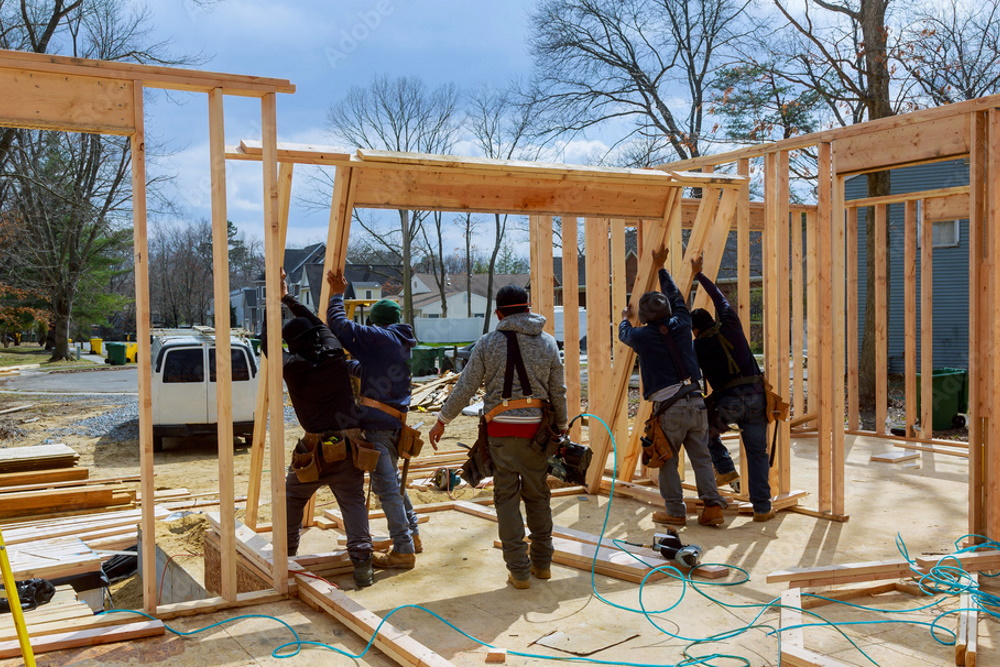
Lister First Build Program – Spring 2026
Sixteen weeks. Real projects. Verified experience.
The program trains Kansas City residents for work their communities need right now. No hypothetical job placement. No hoping employers will hire graduates. Participants learn environmental assessment on actual brownfield sites, SIPS construction by building actual homes, and universal design by creating accessible living spaces people will occupy.
The program serves transitioning military personnel, underrepresented young adults (18-24) from Kansas City, and career changers entering community-focused construction. Training integrates environmental site assessment, SIPS construction fundamentals, universal design techniques, project management, safety certifications, and small business development pathways.
The progression is deliberate: environmental site preparation (weeks 1-4) happens on actual development sites where participants learn brownfield evaluation and Phase I/II assessment protocols. Construction fundamentals (weeks 5-8) teach SIPS building techniques through hands-on work building actual housing components. Universal design and accessibility construction (weeks 9-12) focus on creating accessible living spaces that residents will occupy. Project management and community engagement (weeks 13-16) teach the mechanics of how development actually works from permitting through community coordination.
Applications open soon for the Spring 2026 cohort. This is skills training that becomes permanent community capacity rather than just individual credentials.
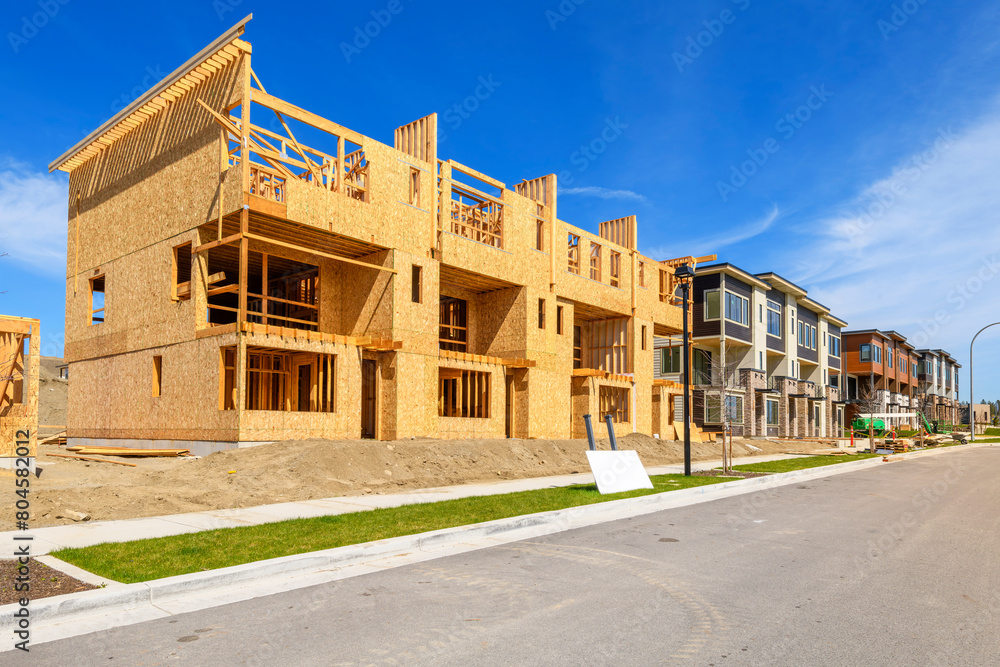
Terrace Lake Pilot Development
The three-home Terrace Lake Pilot Development uses purpose-built Structurally Insulated Panels (SIPs) for energy efficiency and cost reduction. The project serves as live training infrastructure where workforce development participants learn by building actual housing while creating accessible living spaces for residents with disabilities. Bridge financing through Wise Owl Ventures eliminates the cash flow delays that typically come with reimbursement-based public funding.
The homes serve a dual function: accessible housing for residents who’ve been waiting years for units designed around their actual needs, and training laboratories where construction timeline accommodates workforce development learning curve while maintaining professional standards.
Development approach emphasizes universal design principles driving all construction decisions, SIPS construction for energy efficiency and training value, accessibility as innovation driver rather than accommodation, and local workforce development integrated into the construction timeline. The project specializes in single-family affordable housing (30-80% AMI), post-acute rehabilitation housing, energy-efficient building design using SIPS technology, and full ADA compliance with innovative accessibility features through community-controlled development with resident engagement.
Status: Pre-development phase.
This is what community-controlled development looks like in practice. The neighborhood that needs housing develops the workforce capacity to build it. The accessibility requirements drive innovation in both construction technique and community engagement. And the project creates entry points for workers trained specifically in community-serving construction.
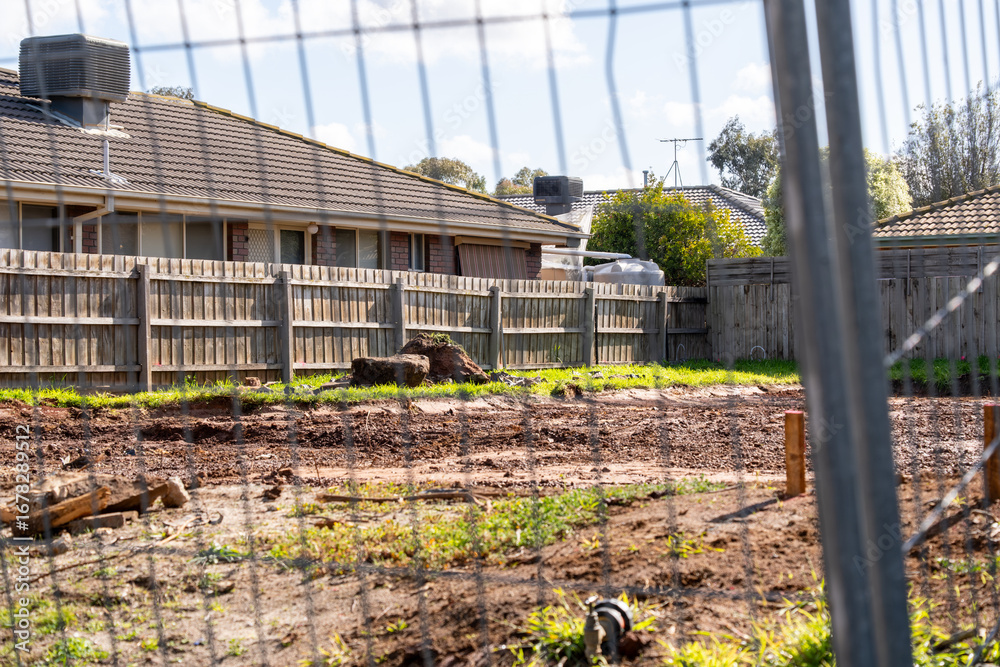
Converting Liabilities into Training Assets
Kansas City has over 1,000 vacant and contaminated sites representing both community blight and workforce training opportunities. Traditional developers avoid them. SITE sees them as the foundation for systematic community transformation.
Environmental site assessment becomes workforce curriculum with brownfield evaluation, soil testing, and Phase I/II protocols learned on actual development sites rather than in classrooms. Participants develop the technical expertise that environmental consultants charge $15,000-$25,000 per assessment to provide. Remediation work provides hands-on training in restoration techniques while preparing land for housing development.
Community environmental workshops build local knowledge while ensuring development reflects neighborhood priorities. Long-term monitoring creates ongoing roles for residents trained in environmental stewardship. The work integrates with housing development as site preparation coordinates with construction schedules, environmental considerations drive sustainability and accessibility innovations, and community environmental knowledge influences design decisions.
Current challenge: SITE has mapped the pathway to remediate those 1,000+ sites, but deployment requires a workforce pipeline at scale. EPA Brownfield Job Training grant pending ($500,000 over 4 years) would enable systematic expansion.
The vision: systematic pipeline converting overlooked land into development-ready parcels while building permanent community capacity for environmental assessment, accessible construction, and neighborhood-controlled housing production.
MONTH 1-2
Community residents assess environmental conditions of potential development site while learning site evaluation techniques that become permanent community capacity.
MONTH 3-4
Environmental remediation work provides hands-on training in restoration techniques while preparing land for development.
MONTH 5-6
Site preparation and foundation work combine workforce development with actual housing construction, with timeline accommodating learning curve.
MONTH 7-8
SIPS construction techniques taught through building actual walls, roofs, and accessibility features of homes community members will occupy.
MONTH 9-10
Finishing work and universal design implementation provide advanced training while creating move-in ready accessible housing.
ONGOING
Graduates continue applying skills to additional community projects while original residents benefit from accessible housing built by neighbors trained specifically for community-controlled development. This creates what community development experts call “asset-based development” – building local capacity to meet local need rather than importing outside expertise to address immediate problems.